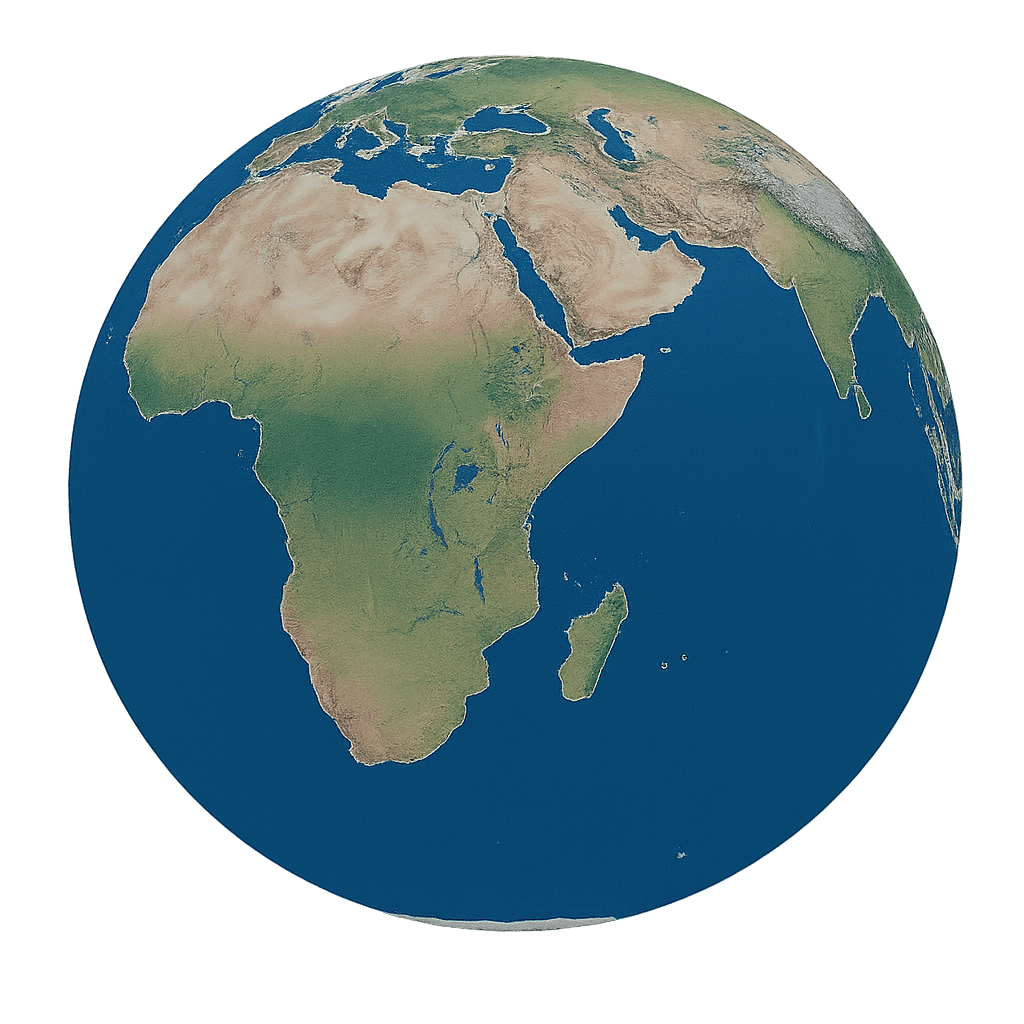

Trump Says U.S. Forces Could "Take Out" Iran in One Night
"The entire country could be taken out in one night, and that night might be tomorrow night," Trump told reporters.
He sharpened that ultimatum further, warning that every bridge and power plant in Iran would be "decimated" by Tuesday night at 8 pm EDT (0000GMT Wednesday) unless a deal was secured. Despite the bellicose tone, Trump struck a cautiously optimistic note on diplomacy, saying Washington was now engaging with an "active, willing participant" on the Iranian side who is negotiating "in good faith," with some "incredible countries" helping to bring hostilities to a close.
Rescue Missions
Trump revealed that a second recovery mission for a missing US service member deployed 155 aircraft — including four bombers, 64 fighters, and 48 refueling tankers — and was preceded by the involvement of roughly 200 Special Forces personnel in the initial retrieval.
CIA Director John Ratcliffe disclosed that the agency executed a "deception campaign to confuse the Iranians" while deploying classified assets to locate the airmen, who were found in a remote mountain crevice.
Trump characterized the rescue as an extraordinarily high-stakes gamble — one he authorized with full knowledge it could have resulted in mass casualties. Two large extraction aircraft reportedly became mired in wet sand, raising alarm that they could not lift off under the weight of crew and equipment. To deny Iran access to sensitive US military technology, Trump said the aircraft were deliberately destroyed on the ground.
Trump also revealed the scale of the broader air campaign, stating that over the past 37 days, US forces had conducted more than 10,000 combat flights over Iran and struck more than 13,000 targets. He confirmed the downed F-15 was the first manned aircraft lost to enemy fire during the operation. CENTCOM confirmed that two service members were recovered after their F-15E was brought down by a shoulder-fired missile on April 2.
Media Leak
Trump announced his administration is searching "very hard" for a leaker who disclosed details surrounding the first pilot rescued from Iran last week. He accused an unnamed outlet of jeopardizing the second rescue mission by reporting that another pilot remained missing inside Iran — information he said triggered a nationwide Iranian manhunt and a public bounty on the airman's life.
Trump threatened to compel the outlet to expose its source on national security grounds and vowed to pursue the journalist responsible.
He also signaled Washington's intent to assert control over the Strait of Hormuz, suggesting Iran had been "militarily defeated" and that the US, as the prevailing power, had the right to levy transit tolls on the waterway.
"Why shouldn't we? We're the winner. We won," he said.
NATO's Role
Trump reserved pointed criticism for NATO, calling the alliance's refusal to help secure the Strait of Hormuz "a mark on NATO that will never disappear." He went further, asserting that Russian President Vladimir Putin fears not NATO but the US itself, declaring: "NATO is us."
He also called out Japan, Australia, and South Korea — alongside NATO member states — for sitting out the Iran campaign, even as alliance members noted that Trump launched the war without consulting any of them.
Trump additionally cautioned Kurdish forces to "stay away" from Iran as the military braces for a major escalation, warning they "bring with them some problems" and could "bring death to themselves."
Defense Secretary Pete Hegseth separately announced that Monday would deliver "the largest volume of strikes in Iran since day one," with "even more" to follow on Tuesday.
The conflict, now entering its 38th day, has killed more than 1,340 people since US and Israeli strikes on Iran began on Feb. 28 — among them then-Supreme Leader Ayatollah Ali Khamenei. Tehran has retaliated with sustained drone and missile barrages against Israel, Jordan, Iraq, and Gulf states hosting American military assets, while simultaneously throttling maritime traffic through the Strait of Hormuz.
Legal Disclaimer:
EIN Presswire provides this news content "as is" without warranty of any kind. We do not accept any responsibility or liability for the accuracy, content, images, videos, licenses, completeness, legality, or reliability of the information contained in this article. If you have any complaints or copyright issues related to this article, kindly contact the author above.
